

California Legacy Panel at MJBizCon 2025: A Recap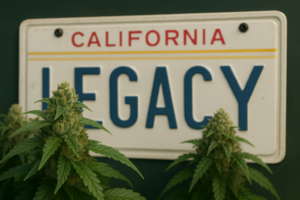
The California Legacy Panel at MJBizCon 2025 delivered a powerful, deeply human narrative about how California shaped, and continues to shape, the global cannabis movement. What unfolded on stage was less a typical conference session and more a living oral history, weaving together genetics, culture, advocacy, compassion, and policy into a single California-born storyline that now influences the world.
From the outset, the panel framed California not just as a leader in cannabis but as the birthplace of the modern global cannabis movement. The presentation opened by grounding the audience in gratitude for growers, caregivers, scientists, advocates, and the communities who carried cannabis forward long before legalization, regulation, or the commercial industry existed. California’s cannabis identity, the speaker argued, was forged by decades of experimentation, risk-taking, mutual aid, and cultural expression that laid the foundation for everything we now call “the cannabis industry.”
The Roots of Innovation: Genetics and Environment
California’s early dominance in cannabis genetics emerged through a combination of climate, counterculture curiosity, and the exchange of global landrace seeds. Travelers and returning veterans brought seeds from Thailand, Afghanistan, India, Jamaica, Mexico, and Colombia. In the 1960s and 70s, these seeds met the ideal growing conditions of California’s microclimates and a generation of horticulturally curious pioneers.
Regions like Santa Cruz, Humboldt, Mendocino, Big Sur, and the Central Coast became hotspots of underground horticultural innovation. Early growers stabilized and crossed landraces, creating legendary hybrids, including Original Haze and Skunk #1, and founded the world’s first cannabis seed companies. These amateur botanists worked without labs or DNA testing, relying instead on meticulous observation and documentation, yet their work became the genetic backbone of the global cannabis industry.
In the panel discussion, Lauren Carpenter of Embarc noted how these genetics still define consumer behavior, shaping today’s conversation as the industry moves away from the outdated indica–sativa–hybrid framework. Bill Levers explained that the “back-to-the-land” movement, combined with California’s early adoption of medical protections, gave breeders a two-decade head start over the rest of the country. Dale Gieringer added historical context, explaining how cultural migration, early prohibition, and political pressure influenced growing practices and pushed many cultivators indoors, further accelerating genetic experimentation.
California’s genetics, the panelists agreed, aren’t just a historic footnote. They remain embedded in nearly every modern cultivar, whether Gelato, OG Kush, or Cookies. Even new global markets rely heavily on California ancestry when building their cultivation programs.
Culture, Counterculture, and the Rise of Medical Cannabis
The conversation moved beyond cultivation to the cultural movements that shaped California’s cannabis identity. Cannabis took root in creative spaces: recording studios, skate parks, art collectives, student activism hubs, and surf communities. But its most profound cultural transformation came during the AIDS crisis, when cannabis became a lifeline rather than a lifestyle.
Caregivers like Brownie Mary and Dennis Peron risked arrest to provide cannabis to patients who found relief when conventional medicine failed them. At the same time, organizations like California NORML, led by advocates such as Dale Gieringer, gathered scientific evidence, documented patient stories, and helped frame cannabis as a compassionate medical tool rather than a counterculture symbol.
This grassroots compassion led to political milestones such as Prop P in San Francisco (1991), the first government acknowledgment of medical cannabis, followed by Prop 215 in 1996, the world’s first medical cannabis law. That single voter initiative set the template for medical legalization across the United States and worldwide. The panel emphasized that while other countries expand cannabis access today, most follow the medical-first model pioneered by California.
Legacy in Today’s Market: Retail, Culture, and Consumer Connection
Panelist Hirsh Jain of Ananda Strategies, described California’s cannabis history as proof that small democratic movements can reshape global policy. He emphasized that many elements of today’s rescheduling debate and international regulatory frameworks are downstream from California’s early activism.
Lauren Carpenter, of Embarc representing modern retail, explained how the compassion ethos of the 1980s and 90s still guides the design of cannabis storefronts today. While regulations have led to more sterile environments, her goal remains to create welcoming, community-centered spaces that preserve the plant’s connective and grounding qualities. Innovation, she argued, must serve the same mission that once drove caregivers into hospital wards with brownies: making people feel seen, supported, and safe.
Bill Levers of Beard Bros Pharms continued this thread by emphasizing that cannabis has always been personal. Before lab testing and retail packaging, consumers chose flower by smell, feel, and trust. He argued that new markets must preserve cannabis’ personal, community-based roots rather than reducing it to a commodified consumer product.
The Road to Prop 215 and Global Medical Momentum
Finally, Dale Gieringer, Director of California NORML provided unmatched historical detail about the road to Prop 215, crediting not only scientific research but also the testimonies of thousands of patients whose lived experiences moved public opinion. Cannabis Buyers Clubs, patient arrests, and the stories shared across California’s diverse communities created momentum that lawmakers could not ignore. When Prop 215 passed with 56% of the vote, precisely as Dale had predicted, it shocked political leaders nationwide and signaled a turning point in global drug policy.
When the moderator asked how many audience members knew someone whose life was improved by cannabis, nearly every hand went up, a reminder of the quiet normalization that helped build the movement.
Conclusion
The California Legacy Panel illustrated that California didn’t simply legalize cannabis. It cultivated a global shift in how people grow, access, understand, and advocate for the plant. Through genetics, culture, compassion, and relentless activism, California created a blueprint for possibility. The panelists made clear that preserving this legacy requires holding onto cannabis’ human roots: community, creativity, healing, and connection.
Share This Article. Choose Your Platform!

RollingStone Culture Council
California NORML Business Member

Global Top 200 Cannabis Accountant

intuit quickbooks ProAdvisor Platinum

Fat Nugs Magazine Official Brand Partner
West Valley-Warner Center Chamber of Commerce

The Cannabis Chamber of Commerce

National Cannabis Industry Association Member

Minority Cannabis Business Association Member

National Association of Cannabis Accounting & Tax Professionals Member